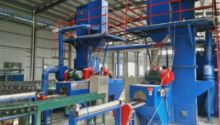
Overview
Shotblasting (including sandblasting) cleans and prepares metal, concrete and other surfaces by propelling abrasive media at high speed. Machines range from portable blast pots and handheld units to wheel (rotary) blast cabinets and continuous conveyor systems. Common in fabrication, shipyards, rail, bridges and pavement work, shotblasters remove rust, paint, scale and mill scale while providing controlled surface profiles for coating adhesion.
FAQ
What should I inspect when buying a used shotblaster?
Check rotor/wheel and liner wear, condition of hoses and nozzles, abrasive hopper and conveyor, dust collector and seals, control panel, and maintenance records. Inspect for excessive wear in turbines, bearings, and blast rooms.
How do I arrange safe shipping for a shotblasting machine?
Drain and clean abrasive and dust systems, secure moving parts, protect rotor and control panels, and crating for long transport. Note weight, lift points and permit forklift or crane access. Use a carrier experienced with heavy industrial equipment.
What routine maintenance keeps a shotblaster reliable?
Daily checks of nozzles, hoses, seals and dust filters; monitor abrasive size and contamination; schedule liner and turbine inspections; change collector filters regularly and keep spare wear parts on hand.
Can a shotblaster work with a crawler loader on site?
Portable or towable blast units can be supported by a crawler loader for transport and power distribution, but verify weight, mounting brackets, and power needs. Often you’ll need a separate generator or hydraulic hookup and secure mounting to prevent vibration damage.